

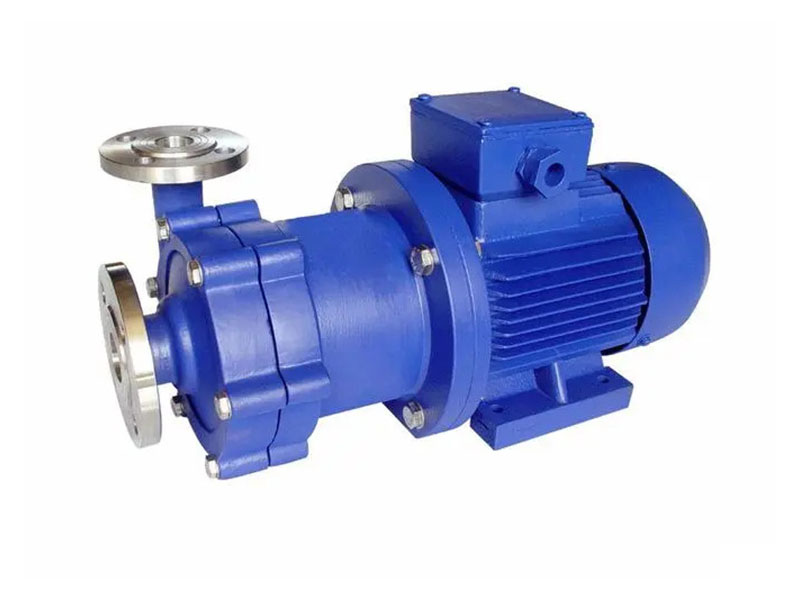
Understanding the Different Types of Screw Pump Accessories
Screw pumps are widely used in oil & gas, petrochemical, power generation, marine, food, and general industrial
applications. A key factor in screw pump reliability and efficiency is the correct selection and configuration of
screw pump accessories. This guide explains the different types of screw pump accessories, their functions, typical
specifications, and how they affect system performance.
Screw pump accessories are auxiliary components installed around the pump to improve safety, reliability, process
control, ease of maintenance, and energy efficiency. While the screw pump itself includes the casing, rotors, shaft,
and bearings, accessories include items such as mechanical seals, couplings, strainers, relief valves, baseplates,
instrumentation, and piping components.
In many engineering specifications (including API 676 for rotary positive displacement pumps), screw pump accessories
are treated as part of the complete pump package. Selecting the right accessories is often as important as selecting
the correct pump type (single screw, twin screw, triple screw) and pump size.
Protecting the pump from damage due to dry running, cavitation, or overpressure
Ensuring leakage control and compliance with environmental standards
Reducing vibration and noise transmitted to the structure
Improving ease of alignment, installation, and maintenance
Ensuring accurate flow, pressure, and temperature monitoring
Optimizing energy consumption and system efficiency
The most common screw pump accessory groups include:
Sealing systems (mechanical seals, packing, seal support systems)
Shaft couplings and drive accessories
Baseplates, skids, and mounting systems
Suction strainers, filters, and air eliminators
Valves and safety devices (relief valves, check valves, isolation valves)
Piping accessories (expansion joints, reducers, flexible hoses)
Instrumentation and monitoring devices
Heating, cooling, and thermal management accessories
Lubrication and flushing systems
Electrical and control accessories (VFDs, soft starters, panels)
| Accessory Category |
|---|
| Typical Components |
|---|
| Primary Function |
|---|
| Sealing Systems |
| Mechanical seals, packing, seal plans |
| Control leakage and protect environment |
| Drive Accessories |
| Couplings, guards, gearboxes |
| Transmit power from motor to pump |
| Mounting Systems |
| Baseplates, skids, shock mounts |
| Support and align pump and driver |
| Filtration & Suction Protection |
| Strainers, basket filters, air eliminators |
| Remove solids and entrained air |
| Valves & Safety |
| Relief valves, check valves, isolation valves |
| Overpressure protection and flow control |
| Piping Accessories |
| Expansion joints, reducers, flexible connectors |
| Reduce stress and accommodate misalignment |
| Instrumentation |
| Pressure, temperature, flow, vibration sensors |
| Monitor performance and enable automation |
| Thermal Management |
| Heating jackets, tracing, coolers |
| Maintain medium viscosity and protect parts |
| Lubrication & Flushing |
| Lubrication units, flush lines, oil coolers |
| Reduce wear of bearings and seals |
| Electrical & Controls |
| VFDs, starters, control panels |
| Speed control, protection, and automation |
Reliable shaft sealing is critical for screw pumps, especially when handling hazardous, corrosive, or valuable fluids.
The main sealing accessories are packing seals, mechanical seals, and seal support systems.
Gland packing uses braided rings of soft material compressed around the shaft or sleeve. It is simple and robust, mainly
used for non-hazardous fluids and moderate pressures.
Low initial cost and simple installation
Tolerant of shaft deflection and misalignment
Easy to adjust or replace in the field
Requires continuous leakage for lubrication and cooling
Higher friction and energy consumption
Not suitable for strict environmental regulations
PTFE and PTFE/graphite blends
Graphite and carbon fiber
Aramid fiber and synthetic fibers
| Parameter |
|---|
| Typical Range |
|---|
| Comments |
|---|
| Pressure |
| Up to 25 bar (360 psi) |
| Higher pressure possible with special designs |
| Temperature |
| -20°C to +260°C |
| Depends on packing material |
| Speed |
| Up to 10 m/s surface speed |
| Moderate speed applications |
| Leakage |
| Visible drip required |
| Ensures lubrication and cooling |
Mechanical seals are the most common sealing solution for modern screw pumps. They provide reliable, controlled leakage
and can meet environmental emission standards. Mechanical seal selection for screw pumps depends on pressure, speed,
fluid properties, and safety requirements.
Single mechanical seals – Basic sealing for clean, non-hazardous liquids
Double mechanical seals (tandem or back-to-back) – For hazardous, toxic, or abrasive media
Cartridge seals – Pre-assembled units for easier installation and improved reliability
Balanced seals – For higher pressures and reduced face loading
Carbon vs. Silicon Carbide (SiC)
Carbon vs. Tungsten Carbide (TC)
SiC vs. SiC for abrasive or corrosive fluids
TC vs. TC for high-pressure, high-load applications
| Parameter |
|---|
| Typical Values |
|---|
| Notes |
|---|
| Pressure Range |
| Up to 40–80 bar or more |
| Depends on seal design and balancing |
| Temperature Range |
| -40°C to +300°C |
| Special designs for high temperature service |
| Shaft Speed |
| Up to 25 m/s and higher |
| High-speed twin screw pumps require robust seals |
| Seal Type |
| Single / Double / Cartridge |
| Selected according to risk and process conditions |
| Secondary Seals |
| O-rings, bellows, wedges |
| Material typically FKM, FFKM, EPDM, NBR |
For double mechanical seals or demanding services, seal support systems provide flushing, cooling, or pressurization to
extend seal life. These accessories are especially relevant for screw pumps handling viscous, polymerizing, or abrasive
fluids.
Provide clean barrier or buffer fluid
Maintain positive pressure differential to process fluid
Remove heat generated at the seal faces
Prevent solidification or crystallization around seal faces
Seal pots / reservoirs with level gauge
Heat exchangers or cooling coils
Pressure and temperature gauges
Flow indicators and orifices
Piping and fittings according to standardized seal plans
Couplings connect the screw pump shaft to the driver (usually an electric motor, but sometimes a diesel engine or
turbine). Correct coupling selection minimizes vibration, misalignment, and maintenance needs.
Flexible jaw couplings – For general industrial screw pumps, moderate torque, and misalignment.
Gear couplings – For high torque and demanding conditions, common in heavy industry.
Disc couplings – For high-speed screw pumps requiring precise alignment and low backlash.
Elastomeric couplings – To absorb shock loads and dampen torsional vibration.
Spacer couplings – Provide space to remove mechanical seals without disturbing the motor.
Rated torque and peak torque
Misalignment capacity (angular, parallel, axial)
Maximum rotational speed
Temperature range and chemical resistance of flexible elements
Compliance with industry standards and safety factors
| Coupling Type |
|---|
| Torque Range |
|---|
| Speed Range |
|---|
| Misalignment Capability |
|---|
| Typical Use |
|---|
| Jaw Coupling |
| Up to ~5,000 Nm |
| Up to 4,000 rpm |
| Moderate |
| General-purpose screw pumps |
| Gear Coupling |
| Up to >100,000 Nm |
| Up to 6,000 rpm |
| High angular misalignment |
| High torque, heavy-duty applications |
| Disc Coupling |
| Up to ~50,000 Nm |
| Up to 10,000+ rpm |
| High axial misalignment |
| High-speed twin screw pumps |
| Elastomeric Coupling |
| Up to ~10,000 Nm |
| Up to 4,000 rpm |
| Good damping |
| Pulsating or variable load services |
| Spacer Coupling |
| Varies with type |
| Varies with type |
| Allows easy maintenance |
| Pumps with cartridge mechanical seals |
Coupling guards are essential safety accessories, preventing personnel from contacting rotating parts. Typical features
include:
Metal or composite construction with ventilation openings
Compliance with local machine safety regulations
Removable sections for inspection and maintenance
Integrated nameplates and warning labels
Screw pump performance depends strongly on proper alignment and rigid mounting. Baseplates and skids are essential
accessories that support the pump, driver, and sometimes additional equipment such as filters and control panels.
A baseplate is a fabricated steel or cast-iron structure onto which the screw pump and motor are mounted. It ensures
stable alignment, allows for grouting, and distributes loads to the foundation.
Machined mounting pads for pump and motor
Alignment jackscrews and hold-down bolts
Open or closed channel construction
Provision for grout holes and drainage
Corrosion-resistant coatings
Skid-mounted units integrate pump, driver, base, and sometimes suction strainers, filters, valves, and instrumentation
on a single structural frame. Skids are common in oil & gas, marine, and power plant installations.
Factory alignment and testing before shipment
Reduced on-site installation time and cost
Compact layout and easy relocation
Centralized piping and wiring interfaces
To reduce vibration transfer and noise, screw pump systems may include:
Resilient mounting pads or anti-vibration mounts
Inertia bases for sensitive installations
Grouted baseplates with proper chocking
Clean suction conditions are critical for screw pump reliability. Solid particles, debris, and entrained air can cause
wear, cavitation-like phenomena, and performance loss. Filtration and air elimination accessories mitigate these risks.
Suction strainers are installed on the pump suction line or inside the reservoir to capture coarse particles. Types
include:
Y-strainers – Inline units with mesh screens, suitable for small to medium screw pumps.
Basket strainers – Larger capacity for higher flow or dirty services.
Foot valves with strainers – For vertical suction lines or tank bottom suction.
| Parameter |
|---|
| Typical Range |
|---|
| Comments |
|---|
| Mesh Size |
| 0.5–3 mm (500–3000 μm) |
| Chosen according to pump clearance and fluid cleanliness |
| Pressure Rating |
| PN10–PN40 or equivalent |
| Match with system design pressure |
| Material |
| Carbon steel, stainless steel, bronze |
| Depends on fluid compatibility and corrosion resistance |
| End Connections |
| Flanged, threaded, welded |
| According to piping standards |
For high-precision screw pumps or systems sensitive to particulate contamination (such as hydraulic or lubrication
systems), fine filters with replaceable elements are installed either on the suction or discharge side.
Filtration rating (e.g., 10 μm, 25 μm, 40 μm)
Dirt-holding capacity and pressure drop
Bypass valve setting
Element material and collapse pressure
Entrained air or gas in the suction line can severely reduce screw pump efficiency and cause noise and vibration.
Accessories for air elimination include:
Air release valves on high points of the suction line
Degassing chambers or air separators upstream of the pump
Tank design features that promote natural air separation
Because screw pumps are positive displacement pumps, overpressure protection is essential. Valves and safety accessories
regulate flow, prevent backflow, and protect the pump and piping.
Relief valves are mandatory accessories for screw pump systems. They open when discharge pressure exceeds a preset
value, bypassing flow back to the suction or to a tank, and thus limiting system pressure.
Integral relief valves – Built into the pump casing for compact protection.
External relief valves – Installed on discharge piping, allow flexible setting and maintenance.
Direct-acting spring-loaded valves – Simple, fast response, common in most installations.
| Parameter |
|---|
| Typical Guideline |
|---|
| Purpose |
|---|
| Set Pressure |
| 5–10% above normal operating pressure |
| Avoid nuisance opening while ensuring protection |
| Capacity |
| ≥ 100% of pump maximum flow |
| Ensure full pump output can be discharged safely |
| Discharge Location |
| Return to suction or tank |
| Prevent recirculation overheating when used continuously |
| Body Material |
| Carbon steel, stainless, alloy steel |
| Compatible with process fluid and design pressure |
Check valves prevent reverse flow through the screw pump during shutdown or backpressure events. They protect the pump
from reverse rotation and mechanical damage.
Swing check valves
Piston or lift check valves
Dual-plate or wafer check valves for compact installations
Isolation valves such as gate valves, ball valves, or butterfly valves allow the pump to be disconnected from the system
for maintenance. They are typically installed on both suction and discharge sides.
Screw pump piping accessories ensure smooth flow into and out of the pump and help to manage thermal expansion and
structural loads. Good piping design and accessory selection are crucial for long-term reliability.
Flexible connectors reduce the transmission of vibration from the pump to the piping and absorb thermal expansion.
Typical options include:
Rubber expansion joints for low to medium pressure and temperature
Metal bellows expansion joints for high temperature or pressure services
Fabric expansion joints for low-pressure, large duct work
Smooth transitions between pump nozzles and piping minimize pressure losses and turbulence.
Concentric reducers on vertical lines
Eccentric reducers on horizontal suction lines (flat side on top) to avoid air pockets
Long-radius elbows upstream of the pump when direction changes are necessary
Although screw pumps generally produce low pulsation compared with other positive displacement pumps, certain
applications (especially at low speed or high differential pressure) can benefit from pulsation dampeners or
accumulators to stabilize flow and protect instrumentation.
Instrumentation allows operators to monitor screw pump performance, detect faults early, and optimize operation.
Monitoring accessories range from simple gauges to fully integrated digital condition monitoring systems.
Pressure gauges and transmitters are typically installed on:
Suction line, near pump inlet
Discharge line, close to pump outlet
Seal support systems and lubrication circuits
Bourdon tube gauges for local indication
Electronic transmitters with 4–20 mA or digital outputs
Pressure switches for interlocks and alarms
Temperature sensors protect screw pumps from overheating and provide information about fluid viscosity and thermal
conditions.
RTDs or thermocouples on bearing housings
Thermowells on suction and discharge lines
Temperature switches for alarm and trip functions
Because screw pumps deliver nearly constant volumetric flow, flow meters are often used for process control and energy
management. Typical options include:
Positive displacement flowmeters for accurate measurement at low flow
Coriolis mass flowmeters for high-accuracy and density-compensated readings
Electromagnetic flowmeters for conductive liquids
Advanced screw pump installations may include:
Vibration sensors on pump bearings and baseplate
Online condition monitoring systems with trend analysis
Wireless sensors for retrofit applications
| Instrument Type |
|---|
| Installation Point |
|---|
| Primary Purpose |
|---|
| Pressure Gauge |
| Suction and discharge |
| Monitor operating pressures, detect blockages or cavitation |
| Pressure Transmitter |
| Discharge line |
| Enable automatic pressure control and remote monitoring |
| Temperature Sensor |
| Bearings, casing, piping |
| Protect against overheating and viscosity loss |
| Flow Meter |
| Discharge piping |
| Measure process flow rate and pump efficiency |
| Vibration Sensor |
| Pump bearing housings |
| Condition monitoring and predictive maintenance |
Many screw pumps handle viscous fluids such as heavy fuel oil, bitumen, lubricating oil, and polymers. Maintaining the
correct fluid temperature is essential to keep viscosity within the pump's optimum range. Thermal management accessories
are therefore a crucial part of screw pump systems.
Heating jackets are welded or cast around the pump casing and sometimes the suction/discharge covers, allowing steam,
thermal oil, or hot water to circulate and heat the fluid inside the pump.
Designed for specific heating medium and pressure
Uniform heating to avoid localized hot spots
Complementary to external piping heat tracing
Heat tracing (steam or electric) is often applied to suction and discharge piping, valves, and accessories to maintain
consistent temperature throughout the system.
Cooling may be required for:
Bearings and lubrication oil in high-speed screw pumps
Mechanical seals in high-temperature or high-pressure service
Hydraulic fluid in variable speed drive systems
Common cooling accessories include:
Oil-to-air or oil-to-water heat exchangers
Cooling jackets or coils in bearing housings
Motor-mounted fans or forced air cooling systems
Proper lubrication is essential for screw pump bearings, timing gears (in twin screw pumps), and sometimes the screws
themselves when operating as lubricated pumps. Flushing accessories help keep seals and internal surfaces clean.
Lubrication accessories may include:
Oil sumps with level gauges and breathers
Built-in or external lubrication pumps
Oil filters and coolers in circulation systems
Grease fittings for greased bearings
| Parameter |
|---|
| Typical Values |
|---|
| Notes |
|---|
| Oil Viscosity |
| ISO VG 32–220 |
| Selected according to speed and bearing load |
| Operating Temperature |
| 40–90°C |
| Managed by coolers, if necessary |
| Filter Rating |
| 10–25 μm |
| Fine filtration extends bearing and gear life |
Mechanical seal performance can be improved by flushing clean fluid across the seal faces or quenching the atmospheric
side. Accessories may include:
Flush lines from discharge to seal chamber with orifice restriction
External flush supply units for particularly dirty or hot processes
Quench connections for steam or nitrogen purging
Electrical and control accessories allow screw pumps to operate safely and efficiently within process requirements.
These accessories integrate the pump with plant automation systems.
Screw pumps often benefit from variable speed operation, especially when handling variable flow rates or pressures.
VFDs are commonly used to:
Match pump capacity to process demand
Reduce energy consumption
Provide soft start and stop to minimize mechanical stress
Implement pressure or flow control loops
Motor control centers and local starters provide:
Overload and short-circuit protection
Phase loss and phase imbalance monitoring
Emergency stop functions
Integration with process interlocks (low suction pressure, high temperature, etc.)
Local control panels for screw pumps may include:
Start/stop buttons and selector switches
Status lights and alarms
Analog or digital indicators for key process variables
Human-machine interfaces (HMI) for advanced pump packages
The choice of materials and surface treatment for screw pump accessories must consider fluid properties, temperature,
pressure, and environmental conditions.
Carbon steel – Widely used for baseplates, skids, and general piping accessories.
Stainless steel (304, 316, duplex) – For corrosion resistance in aggressive or hygienic services.
Bronze and brass – For seawater, marine, and some lubricating services.
Alloy steels – For high-pressure or high-temperature environments.
Elastomers – Used in gaskets, seals, flexible connectors (EPDM, NBR, FKM, PTFE-based compounds).
Surface treatments protect accessories from corrosion and wear:
Epoxy coatings for baseplates and steel structures
Hot-dip galvanizing for outdoor installations
Nickel or chrome plating for specific small accessories
Rubber or polymer linings for erosion and corrosion resistant internals
| Application |
|---|
| Recommended Material |
|---|
| Reason |
|---|
| Marine fuel transfer |
| Bronze / Stainless steel |
| Good seawater corrosion resistance |
| Chemical processing |
| Stainless steel (316) or higher |
| Resistance to acids and aggressive fluids |
| General lubricating oil service |
| Carbon steel with protective coating |
| Cost-effective, adequate corrosion resistance |
| Outdoor industrial installations |
| Carbon steel, galvanized or epoxy coated |
| Protection from weather and humidity |
Selecting screw pump accessories involves balancing technical requirements, cost, maintenance, and safety. The following
considerations are helpful for engineers and designers.
Fluid properties: viscosity, temperature, density, corrosiveness, toxicity
Operating pressure and differential pressure
Required flow range and turndown
Presence of solids, gas, or entrained air
Required mean time between failures (MTBF)
Planned maintenance intervals and spare parts strategy
Availability of skilled technicians for complex accessories (e.g., seal systems, VFDs)
Emission limits and environmental regulations
Health and safety standards for rotating equipment
Industry-specific guidelines for materials and designs
While basic accessories may reduce initial investment, advanced screw pump accessories (such as double seals, condition
monitoring, or high-efficiency drives) can significantly reduce the total cost of ownership over the life of the system.
The following table illustrates a typical configuration of screw pump accessories for an industrial lubricating oil
system. This example is generic and intended to highlight how different accessories work together.
| Accessory Group |
|---|
| Selected Accessory |
|---|
| Purpose in System |
|---|
| Seal System |
| Single mechanical seal with flush |
| Leak-tight operation with clean oil flushing |
| Coupling |
| Flexible jaw coupling with spacer |
| Easy seal maintenance and vibration damping |
| Baseplate |
| Fabricated steel base with grout pockets |
| Stable alignment and structural support |
| Suction Protection |
| Inline basket strainer (1 mm mesh) |
| Protection from large particles and debris |
| Safety Valve |
| Spring-loaded relief valve, set at 10% above operating pressure |
| Overpressure protection and flow bypass to tank |
| Check Valve |
| Wafer check valve downstream of pump |
| Prevent reverse flow on shutdown |
| Instrumentation |
| Discharge pressure transmitter, suction pressure gauge, bearing temperature sensors |
| Performance monitoring and alarm/trip functions |
| Thermal Management |
| Oil cooler in lube system |
| Maintain oil viscosity within specified range |
| Electrical Accessories |
| VFD with local control panel |
| Variable flow control and energy optimization |
Understanding the different types of screw pump accessories is essential for designing safe, efficient, and reliable
pumping systems. From sealing solutions and couplings to filters, valves, and instrumentation, each accessory plays a
specific role in protecting the pump and ensuring continuous operation.
When selecting screw pump accessories, engineers should consider process conditions, reliability targets, regulatory
requirements, and total cost of ownership. Applying best practices in accessory selection leads to longer pump life,
reduced downtime, and optimized energy usage across a wide range of screw pump applications.
```

Copyright ? Jiangsu Longjie Pump Manufacturing Co., Ltd.



 Phone
Phone
Comment
(0)